Solar Inverter Solution
Take control of your power supply and eliminate generator dependency. We provide end-to-end solar and inverter solutions across Nigeria, delivering customized, sustainable, and reliable electricity for your home or business.
Solar And Inverter Installation ☀️
In Nigeria, consistent power is not a luxury—it’s a necessity for productivity and peace of mind. Ding Technologies is your expert partner for comprehensive Power & Energy Audits, Solar Panel and Inverter Installation Services, designed to eliminate generator reliance and conquer grid unreliability.
We provide customized, end-to-end power solutions for both residential and commercial clients across Nigeria. Our process begins with a detailed energy audit to accurately size a system that meets your needs and budget. We then install high-efficiency solar panels and integrate them with high-capacity inverters and long-lasting battery banks. This robust setup guarantees you access to stable, uninterrupted 24/7 power.
Beyond reliability, switching to solar provides massive financial savings by eliminating constant fuel costs and reducing your monthly utility bills. Our systems feature seamless automatic switching and remote monitoring, giving you full control over your power consumption. Trust our certified technicians to deliver a safe, reliable, and future-proof power source that ensures your home stays lit and your business operations never stop.
Our Comprehensive Installation Services
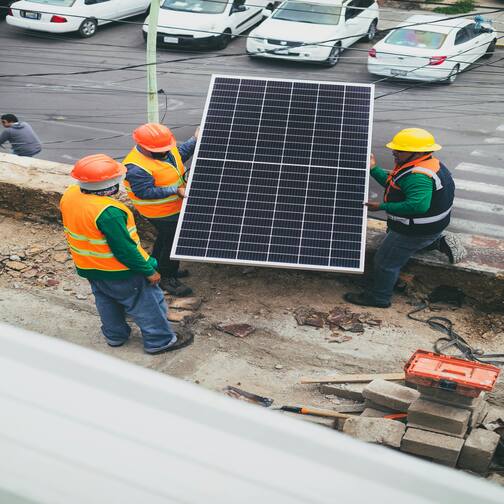
We handle everything, from consultation to activation, ensuring a seamless transition to clean energy. Our certified solar engineers begin with a detailed energy audit to understand your consumption patterns and specific needs. We then design a bespoke system, calculating the perfect balance of solar panels, inverters, and battery storage to match your budget and power requirements.
Solar Panel Mounting
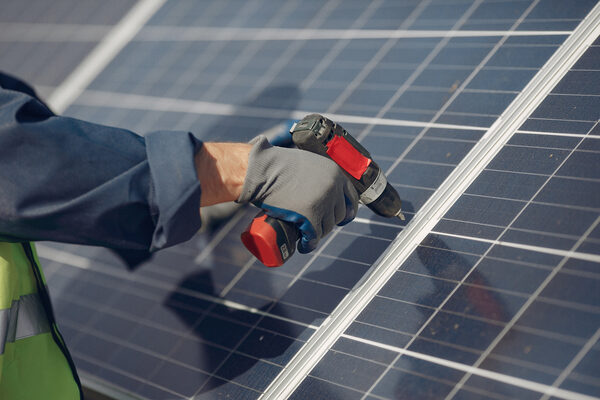
Solar panel mounting is the process of securing the photovoltaic modules to a structure, providing the essential structural integrity and optimal orientation for maximum energy harvest. The choice of mounting system—whether roof-mounted (flush or tilted) or ground-mounted (fixed or tracking)—depends heavily on the roof type, available space, and desired aesthetic. A professional mounting system, typically using high-grade aluminum rails, clamps, and stainless-steel hardware, must securely anchor the panels to withstand local wind loads. Crucially, the system ensures the panels are tilted at the correct angle (tilt) and facing the right direction (azimuth) to capture maximum sunlight throughout the year. Proper installation requires careful penetration and flashing to guarantee a watertight seal, protecting the roof and ensuring the 25-year longevity of the solar investment.
Inverter Integration
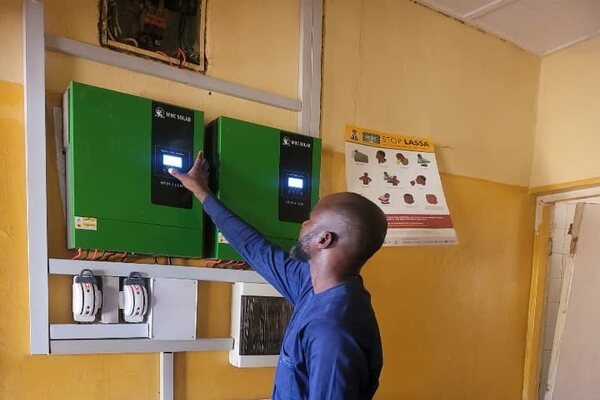
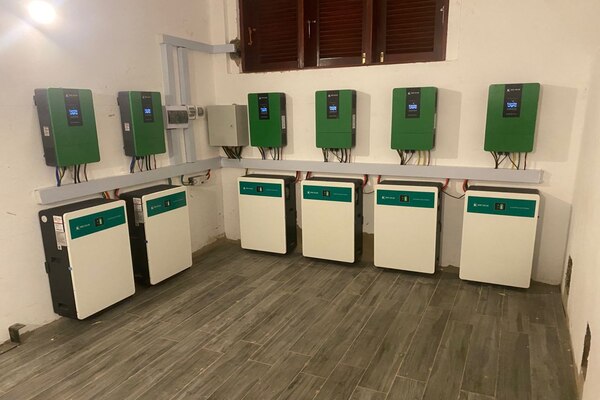
Inverter integration is the fundamental process of linking a solar power inverter with the entire energy system, ensuring the seamless flow and utilization of electricity. In a solar setup, the inverter is the essential bridge that converts the raw direct current (DC) electricity produced by the solar panels into usable alternating current (AC) power for your home or the electrical grid. This integration goes beyond simple wiring; it involves sophisticated power management. Modern hybrid inverters are integrated with batteries for energy storage and often smart controls for optimization. This allows the system to intelligently manage three sources: solar generation, stored battery energy, and the utility grid. Ding Technologies are professional installers who ensure effective inverter integration to maximize self-consumption of clean solar energy, provide critical backup power during outages, and ensure the entire system operates safely and efficiently as a single, coherent unit.
Battery Bank Setup
The successful setup of a solar battery bank is vital for achieving energy independence and maximizing self-consumption. The process begins with a detailed Needs Assessment to calculate your essential energy load (in kWh), determining the necessary battery capacity and desired duration of backup power. Next, the correct components, typically high-efficiency Lithium-ion batteries, must be selected, ensuring they are compatible with the system's hybrid inverter and system voltage (e.g., 48V). The physical setup involves precise wiring, often in a series or parallel configuration, to meet voltage and capacity targets. Crucially, the bank is integrated with a Battery Management System (BMS) to ensure safe charging and longevity. Proper installation in a cool, ventilated location with professional fusing and disconnects completes the setup, transforming the battery bank into a reliable energy storage core.
Load Isolation
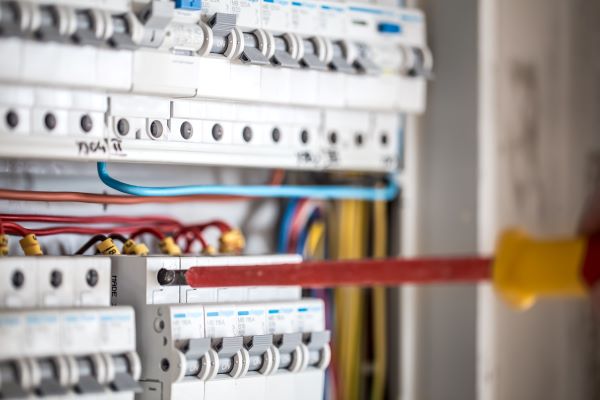
Load isolation is the essential safety mechanism that physically and electronically separates a home’s electrical loads (appliances and circuits) from the main utility grid, particularly during a power outage or when the solar system is operating autonomously. This process is primarily managed by an Automatic Transfer Switch (ATS) or an integrated function within a hybrid inverter. The central purpose of isolation is to protect utility workers who may be repairing lines, preventing dangerous "back-feeding" of power from the solar inverter into the grid. It also ensures the solar system only powers designated, critical circuits—the "backed-up" loads —during an outage. Effective load isolation guarantees that the inverter and battery bank can operate safely and efficiently off-grid, supplying clean, continuous power only to the circuits that need it most.